On this page, you’ll learn why damp problems are so common in Liverpool homes and how the city’s unique mix of historic housing. Post-war construction, coastal weather and modern living habits all contribute to moisture issues. We explain how different property types are built, the specific damp risks they face. Why problems like rising damp, penetrating damp and condensation are often misdiagnosed. By understanding how damp develops in Liverpool properties. You’ll be better equipped to recognise the signs. avoiding ineffective treatments, and see why an accurate professional diagnosis is essential before any solution is applied.

Liverpool, a city built on trade and industry, and that history is still visible in its streets today. During the 19th century, the city grew rapidly. Thanks to the boom in shipping from the port, which brought jobs, wealth and a huge demand for housing. That’s why so many Liverpool homes are Victorian or Edwardian terraces. Solid brick-built mostly properties designed for the era’s population explosion.
These older homes have a very specific type of construction. Walls are typically solid, the floors are often timber suspended over a ventilated void. With Air bricks installed around the property to keep that void ventilated, but over time they can become blocked by dirt, debris or garden soil. When that happens, the ventilation drops, dampness increases and the risk of timber decay rises. It’s a classic Liverpool issue, especially in streets where homes have been modernised without considering airflow.
After the war, Liverpool saw a different kind of building programme. Post-war properties often have cavity walls and solid concrete floors, and while these materials are modern, they bring their own damp challenges. Cavity walls can become bridged if the cavity fills with debris or insulation, allowing moisture to cross from the outside leaf to the inside. Solid floors can also be affected by rising damp, especially if ground levels have been raised over time, or if drainage around the property is poor. When moisture moves into plaster, it can cause bubbling paint, tide marks and a constant damp smell. Signs that are easy to spot but often misunderstood.
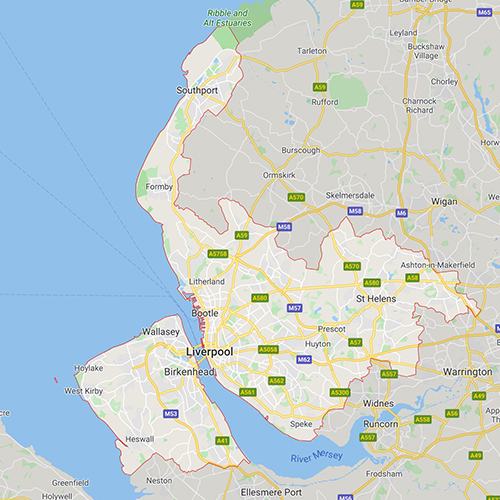
Liverpool’s coastal location also plays a big part. Sitting beside the Irish Sea, The city is heavily exposed to strong westerly winds as well as heavy rainfall. Those driving winds can push rainwater directly into brickwork, pointing and window frames, and the moisture can quickly work its way into walls if there are any defects. Add in the city’s high humidity levels and modern living habits such as cooking, showering, drying clothes indoors and you can see why condensation is such a common issue too.
Put simply, Liverpool is a city where the weather and the housing stock combine to create damp problems. The older, solid-wall homes are particularly vulnerable, but modern builds aren’t immune either. That’s why accurate diagnosis is so important here: what looks like rising damp may actually be penetrating damp, poor ventilation, or a leaking gutter.
Damp issues don’t stay small. Left untreated, they can damage plaster, timber, floorboards and decorations as well as making a home feel cold, musty and unhealthy. That’s why the first step should always be a Damp Survey. A survey identifies the true cause of the problem and helps you understand the correct solution, rather than guessing and spending money on work that won’t fix the issue long-term.
Because Liverpool properties face such unique damp challenges, the right solution always starts with the correct diagnosis. At Solvex Damp Proofing, we have a wealth of experience of dealing with damp in Liverpool homes.
Whether the issue is rising damp in an old Victorian terrace, penetrating damp from wind driven rain, or condensation caused by poor ventilation, our team has the experience and knowledge to resolve it. At Solvex we are familiar with the common construction types found across Liverpool and Merseyside. We understand how factors like blocked air bricks, poor insulation, and high humidity levels contribute to damp problems.
Our approach is straightforward and transparent. We explain what’s happening in your home in clear language, show you the evidence we’ve found, and outline the options available. Should damp proofing is required, we always provide the correct treatments based on the diagnosis. Not a generic solution that may not address the real problem.
If you’re dealing with damp in Liverpool, the best next step is a professional assessment.
To learn more about the solutions we offer and how we can help, visit our main Damp Proofing Services page.
This article is part of our Guides & Advice section, where we explain common damp and timber issues in homes. You can explore all our guides and get more detailed information on related topics Guides & Advice Hub.